Icelandic horses

Icelandic horses are a unique and beloved breed that has captured the hearts of many equestrian enthusiasts worldwide. These small yet sturdy horses are known for their friendly personalities, smooth gaits, and hardy nature, which has allowed them to thrive in Iceland’s harsh and unpredictable climate.

One of the most distinctive features of the Icelandic horse is its size. They are considered pony-sized, standing between 12 and 14 hands tall, but they are referred to as horses due to their strength, agility, and endurance. They have a stocky and muscular build, which enables them to carry riders of varying sizes and navigate through difficult terrain.

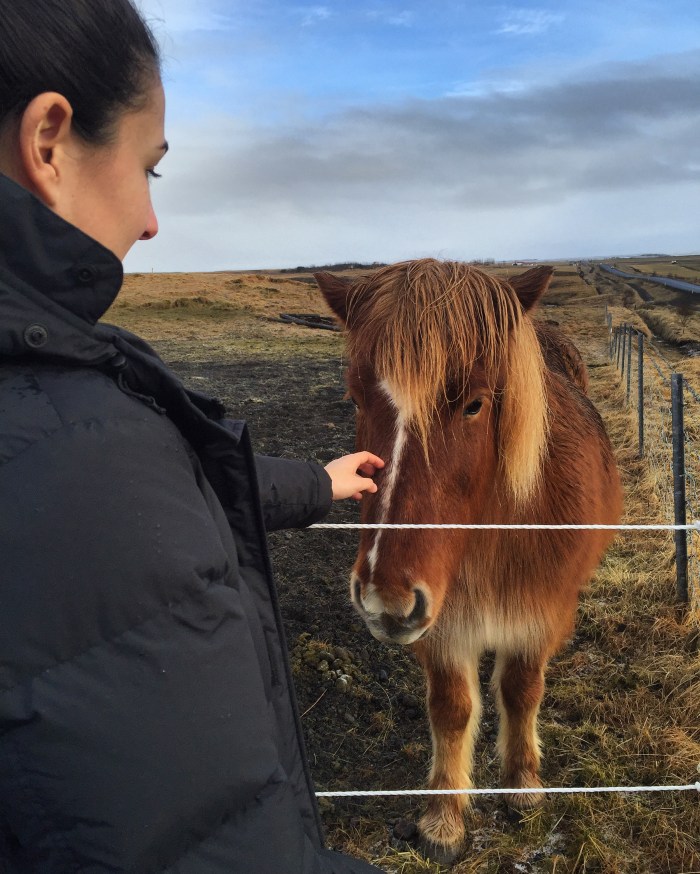
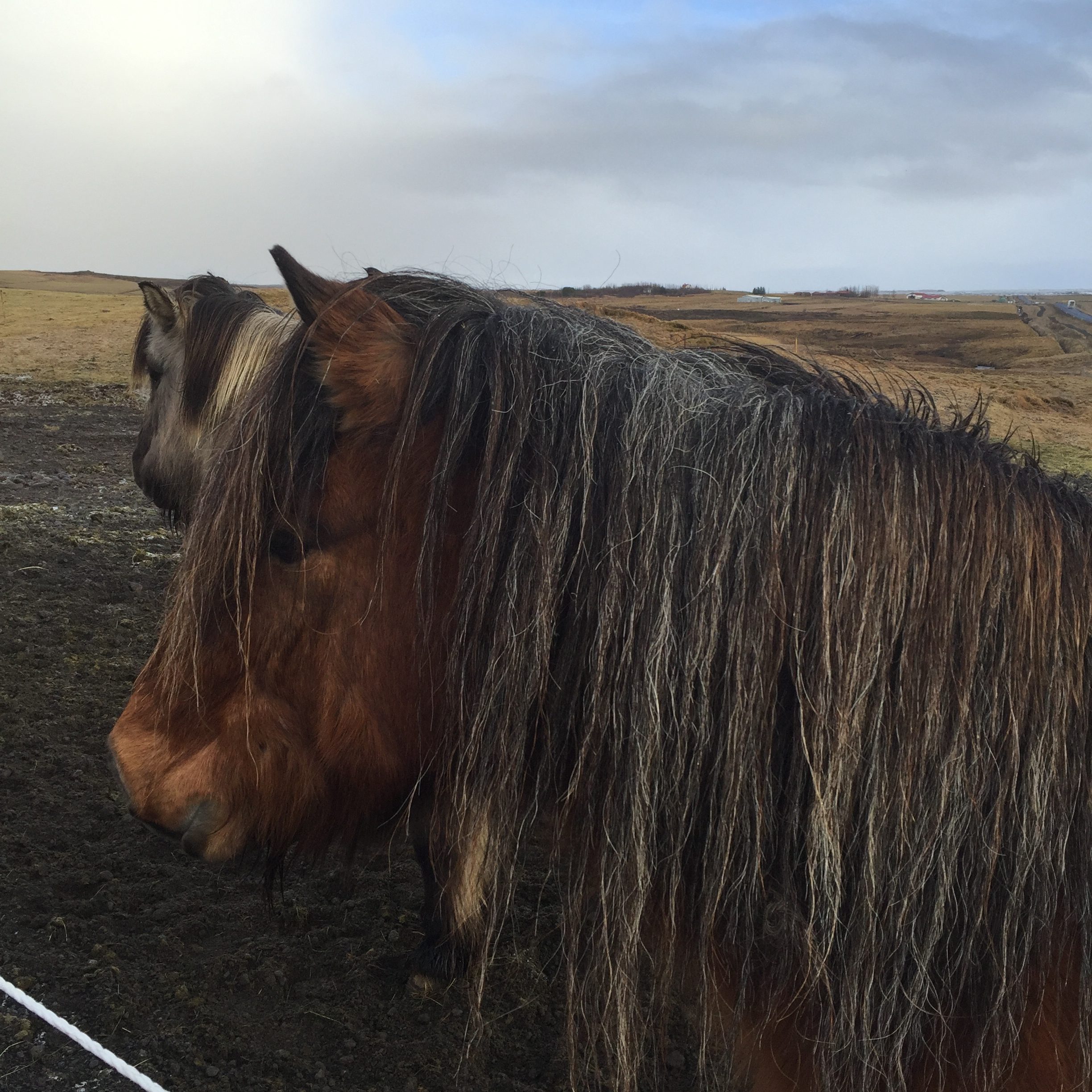
Icelandic horse

A reason why Icelandic horses have thrived in their native country is their exceptional adaptability. They have developed a thick double coat that helps them regulate their body temperature, which is essential in the cold and windy Icelandic climate. This adaptability is also evident in their diet; Icelandic horses can thrive on sparse vegetation and have developed an efficient digestive system that enables them to extract maximum nutrients from their food.

Another unique aspect of Icelandic horses is their gait. Unlike most other horse breeds, they have five gaits, including the walk, trot, canter, the tölt, and the flying pace. The tölt is a smooth four-beat gait that allows the rider to move quickly and comfortably over long distances, making it a popular choice for endurance riding. The flying pace, on the other hand, is a high-speed gait that only a few Icelandic horses can perform, making it a sought-after talent for racing.

Icelandic horses are also known for their friendly and affectionate personalities. They have been raised alongside humans for centuries, which has made them comfortable around people and eager to please. This temperament makes them a popular choice for both recreational riding and therapy work.

Another fascinating aspect of Icelandic horses is their role in Icelandic culture. They have been a crucial part of Icelandic history and are deeply ingrained in the country’s folklore and traditions. Icelandic sagas, the epic tales of the country’s past, often feature horses, and Icelandic horses have played a vital role in everyday life in Iceland for centuries.

Icelandic horses are celebrated annually at the famous Icelandic Horse Festival, held every summer in Iceland. The festival is a grand showcase of the breed’s beauty, athleticism, and unique characteristics. It features various competitions, including racing, dressage, and show jumping, as well as cultural displays of Icelandic horsemanship and traditional riding techniques.

In recent years, Icelandic horses have become increasingly popular outside of Iceland, and breeding programs have been established in several countries, including the United States, Canada, and the United Kingdom. However, strict breeding regulations are still in place to maintain the breed’s purity and ensure that their unique characteristics are preserved. Importing horses into Iceland is strictly forbidden, and once a horse has left the country, it is not allowed to return. These measures are in place to protect the breed from any outside influences that could alter their unique characteristics.

Icelandic horses are a remarkable breed with a rich history and a unique set of characteristics that set them apart from other horses. Their hardiness, adaptability, unique gaits, and friendly personality make them a beloved breed worldwide, while their role in Icelandic culture has cemented their place in history. Whether you are an experienced equestrian or a casual admirer of horses, Icelandic horses are undoubtedly a breed worth getting to know. With their status as a rare breed, Icelandic horses are a cherished part of Icelandic culture and a testament to the breed’s hardiness and resilience.

¿pujol o quinonil?

As someone who relishes in good food and adventurous travel, I went down to Mexico City to discover what the excitement was over two restaurants, Pujol and Quintonil. The two tasting menus took my palette on an exceptional journey, luxuriating in combinations and blends of competing ingredients.

Quintonil and Pujol are both highly regarded restaurants in Mexico City, but differ in terms of their style, approach, and cuisine. They have both received numerous accolades in the culinary world. However, Pujol has been ranked higher in various “best restaurants” lists, including being named the 5th best restaurant in the world by ‘World’s 50 Best Restaurants in 2022’, while Quintonil ranked 8th. I went to the competing restaurants in 2021 and Quintonil placed above Pujol on my personal list.

The cuisine at Quintonil is focused on modern Mexican cuisine with an emphasis on fresh and locally sourced ingredients. The chef, Jorge Vallejo, draws inspiration from traditional Mexican dishes and techniques but puts his own unique spin on them. His dishes are an incredible emulsion of flavor. Pujol, on the other hand, is known for its innovative approach to Mexican cuisine, with Chef Enrique Olvera experimenting with both traditional and contemporary techniques to create a distinctive and often surprising culinary experience.

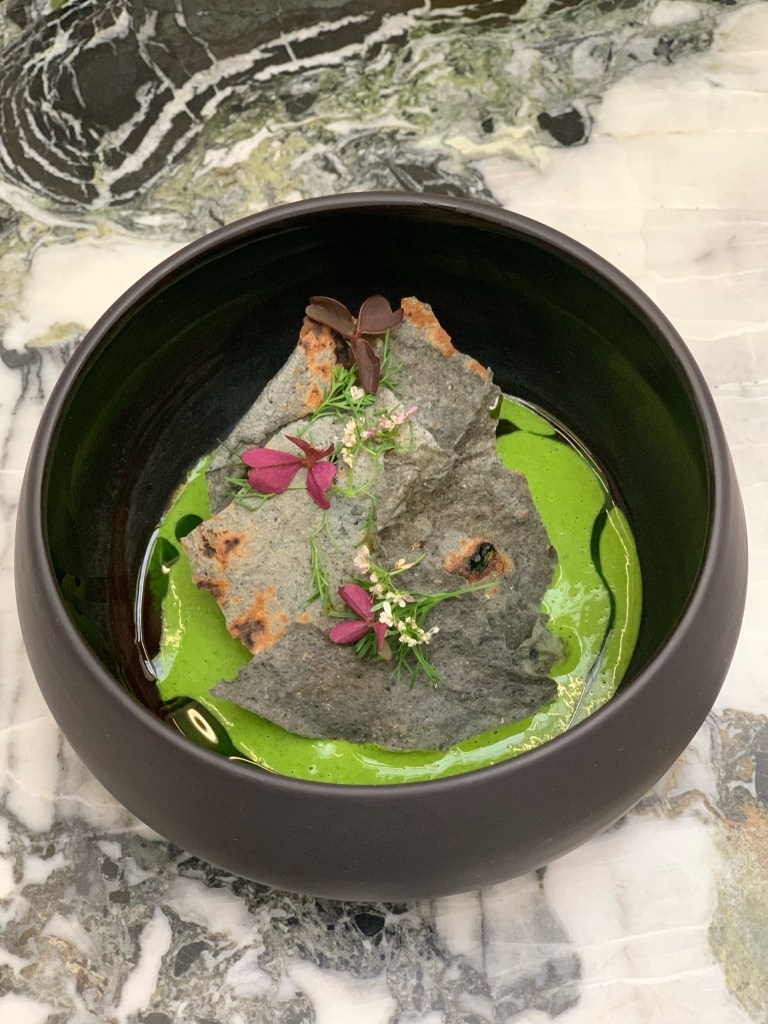
Quintonil dish consisting of sider crab in a green “pipián” sauce, made with sunflower seeds, kaffir lime, and Thai basil.

Both restaurants place a strong emphasis on high-quality ingredients, but they differ in their sourcing and approach. At Quintonil, Chef Vallejo and his team prioritize fresh and locally sourced ingredients, with many of the herbs and vegetables coming from their own garden. Pujol, places a greater emphasis on rare and hard-to-find ingredients, with Chef Olvera sourcing many of his ingredients from small producers and farmers across Mexico.

The ambience of the two restaurants is also quite different. Quintonil has a more casual and laid-back atmosphere, with an open kitchen and an emphasis on natural light and greenery. Pujol, is more formal and elegant, with a refined interior design that emphasizes understated luxury. Pujol is located in the upscale Polanco neighborhood, which is known for its high-end shopping, dining, and nightlife. Quintonil, is situated in the more residential and laid-back neighborhood of Lomas de Chapultepec.

This image has an empty alt attribute; its file name is img_1166-2.jpg

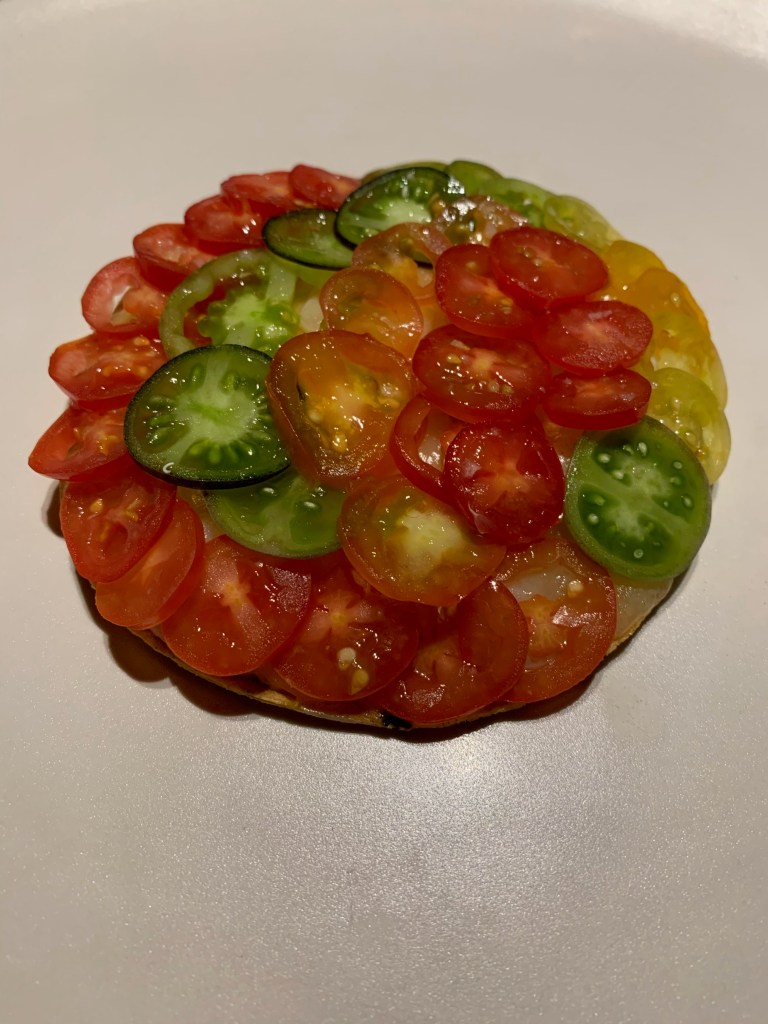
Pujol dish consisting of scallop tostada, kimchi, tomatoes


Both restaurants offer tasting menus that showcase the chef’s skills and creativity, but they differ in their approach. At Quintonil, the tasting menu is designed to be a journey through different Mexican flavors and ingredients, with each dish building on the previous one. Pujol’s tasting menu, is designed to be a more immersive and theatrical experience, with dishes that often incorporate unexpected textures and flavors. The price point is different at these two restaurants, the tasting menu at Pujol is $130 USD per person, while Quintonil’s tasting menu is priced at around $225 USD per person. Both restaurants also offer a la carte options, which can be less expensive than the tasting menu. The service at Pujol is known for being particularly attentive and personalized, with a high staff-to-guest ratio and a focus on creating a warm and welcoming atmosphere. Quintonil, while still providing excellent service, has a more laid-back and casual vibe.

Quintonil and Pujol are highly acclaimed restaurants in Mexico City, offering different dining experiences; while Quintonil and Pujol share a focus on celebrating Mexican cuisine, they have distinct differences in their approach to ingredients, philosophy, service, Ultimately, both restaurants offer unique and exceptional dining experiences for those looking to explore the rich and diverse flavors of Mexican cuisine.

Melbourne, Australia 

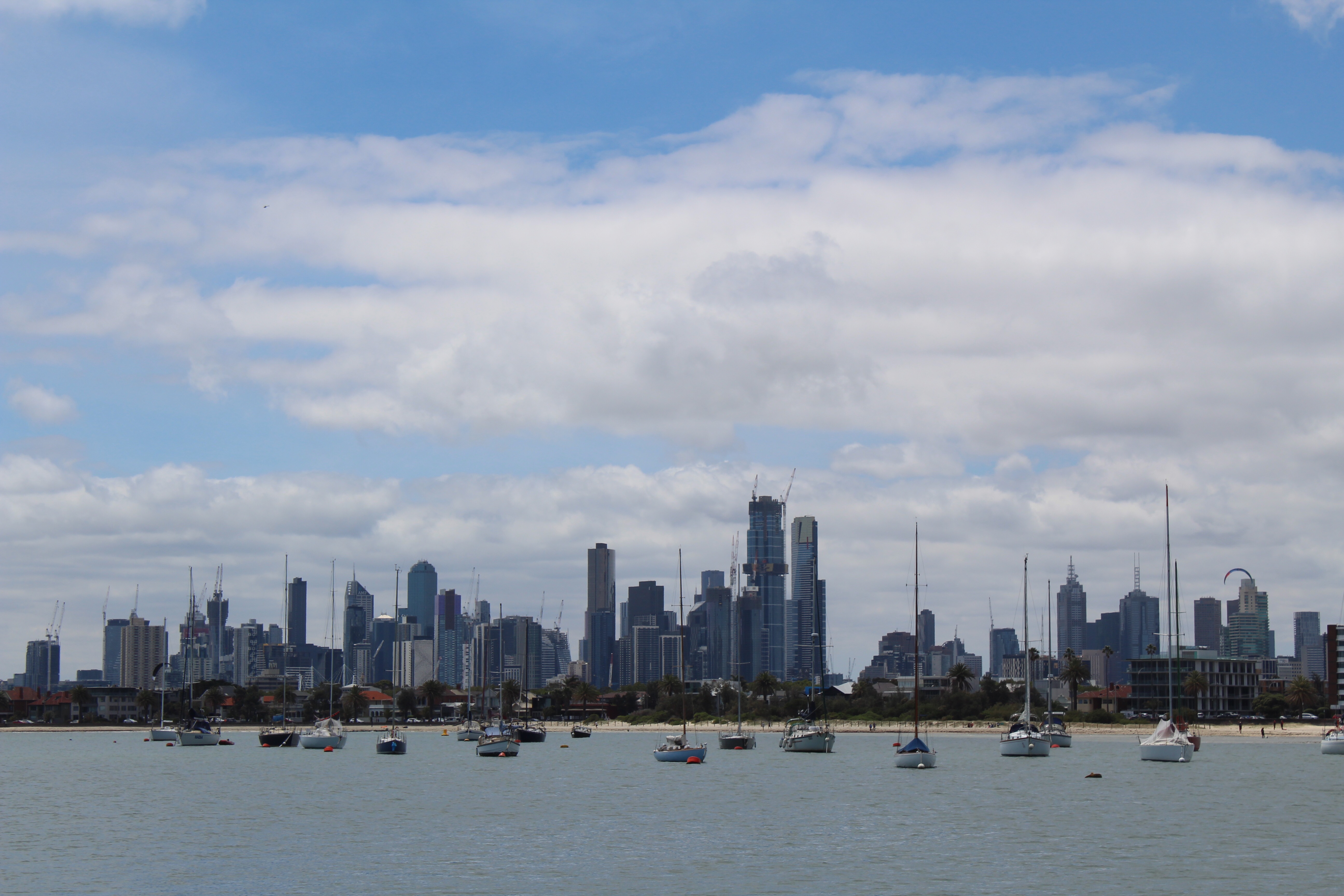
Melbourne’s skyline from St. Kilda pier

After my long haul flight of sixteen hours from LAX to MEL, I hopped on a bus that took me to the St. Kilda neighborhood. St. Kilda is a beachside suburb just a few miles southeast of Melbourne’s CBD (Central Business District). This bustling ‘burb is known for its coffee, pastries, entertainment, and my personal favorite, fairy penguins. That’s right, penguins! You can catch the smallest species of penguins make their way to their nests on St. Kilda pier just after sunset. 

Melbourne is the coffee capital of Australia, so if you’re a coffee connoisseur like I am, grab yourself a ‘long black’ or a ‘flat white’ on one of St. Kilda’s busiest and popular streets—Acland. Here you’ll find tourists and locals alike, indulging in the cake shops or sipping on a schooner from a local pub.

Hosier ‘graffiti’ Lane

Venturing out of St. Kilda is a must. The first place I suggest going to is Queen Victoria Market, Melbourne’s most iconic marketplace. A wide variety of fresh, quality produce and eclectic goods can be found here. Wandering aimlessly through the stalls is a pleasant joy in and of itself. Outside of the market you are in the heart of the CBD, so gallivanting through the city streets is the perfect way to see downtown. Check out Hosier Lane for world renown graffiti. It’s a hotspot that has put Melbourne’s urban art scene on the map.

ANCHORAGE, ALASKA

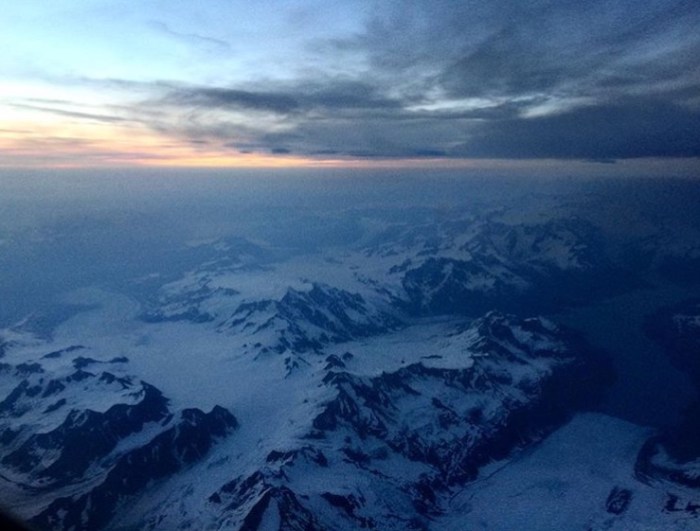
My family and I embarked on our journey to ‘the last frontier”; Anchorage, Alaska. As we took off, we were accompanied by a magnificent sunset. Cruising along side an amber sky, we anticipated darkness but the sun stayed on the brink of the horizon. It was breathtaking to get a glimpse of this mountain range at this time of night. During the summer months, Anchorage receives 24 hours of sunlight. As we landed around 1am, the constant light made navigation effortless in the new city.


Puerto Plata, Dominican Republic

My friends and I embarked on a weekend getaway to the DR. After traveling across the world, a four hour flight flies by in no time; pun intended. We purchased a ten dollar tourist visa upon arrival and made our way out into the hot, humid air. Each step I took away from the airport was filled with excitement and contentment. Being in a new place awakens me and challenges me; it continues to teach me more about myself as well as the lands that are foreign to me.

The scent of tropical flowers filled the air around us as we made our way to the taxi. Fifty dollars and forty five minute later we arrive at the Lifestyle Crown Resorts. When I travel I tend to stay away from resorts and typically choose to stay in an airbnb or a non-chain hotel. These give me a better, more local feel of where I’m at. We chose a resort for this trip because we found an amazing deal on groupon and thought why not?

Puerto Plata is located on the northern side of the island, with golden sands and dark blue water rolling in from the Atlantic. After lounging on the beach in a comfortable cabana and sipping too many mamajuanas, we left the resort to get a true taste of Puerto Plata.

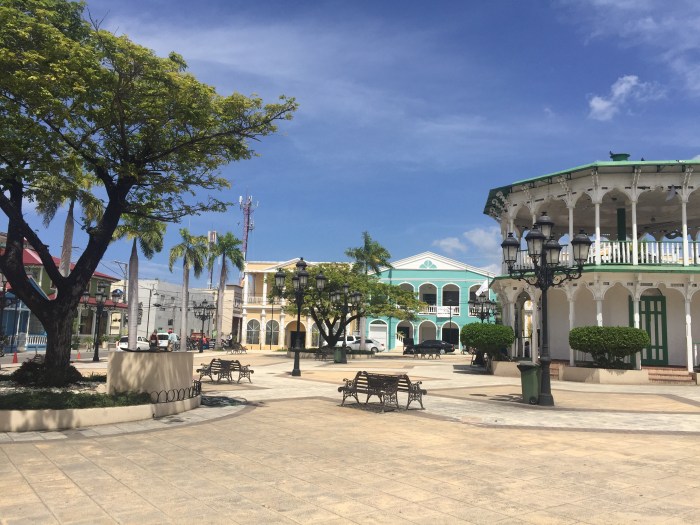
A short taxi ride and a few pesos spent, we made our way to the the town center, Parque Central. It was a colorful, vibrant square with buildings dating back to when Spain colonized the island. After gallivanting around the area and working up an appetite, we ate some mofungo and cerviche. Ambos eran deliciosos. We headed back shortly after to plan our next adventure and to have some more time on the beach.

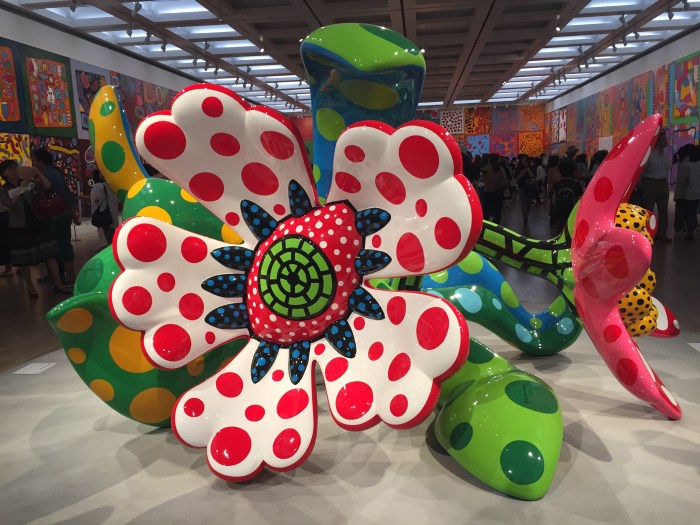
Yayoi Kusama exhibit at the National Tokyo Museum of Art

My final stop before departing Tokyo was to their national museum of art to the see the exceptional and highly anticipated exhibit of Yayoi Kusama; an 88 year old Japanese native who was associated with the pop-art movement. She has become a world renown artist with lines literally out the door waiting to see her work.

My friend and I got tickets and waited in line for seventy minutes before seeing a piece of her phenomenal work. Her exhibit ‘A Dream I Dreamed’ was only on view for a short time. It cost us 1,600¥ which is more or less around $15; it was discounted to 1,000¥ with a college ID. I have used my old school ID more in later years than I did when I went.

This exhibit was astounding, completely captivating. I truly was at a loss for words when looking at her work. She is known for the excessive amount of dots she incorporates into each masterpiece. These dots are her motif and each work tells a beautiful story. I first saw her work when I was in Copenhagen (infinity mirrors) and from then on I’ve been been a follower, tracking her work. Seeing it in Tokyo was a memorable experience.

TOKYO, JAPAN

Kon’nichiwa Tokyo! After departing from Hanoi en route to the US, we were lucky enough to enjoy a 10 hour layover in Japan. It wasn’t nearly as long as one would hope but we managed to do as much as we could in the time permitted.

Within twenty minutes of landing, we were already through customs and on the train heading to Shibuya. Thankfully my friend had purchased the train tickets in advance, which cut down the waiting time drastically.

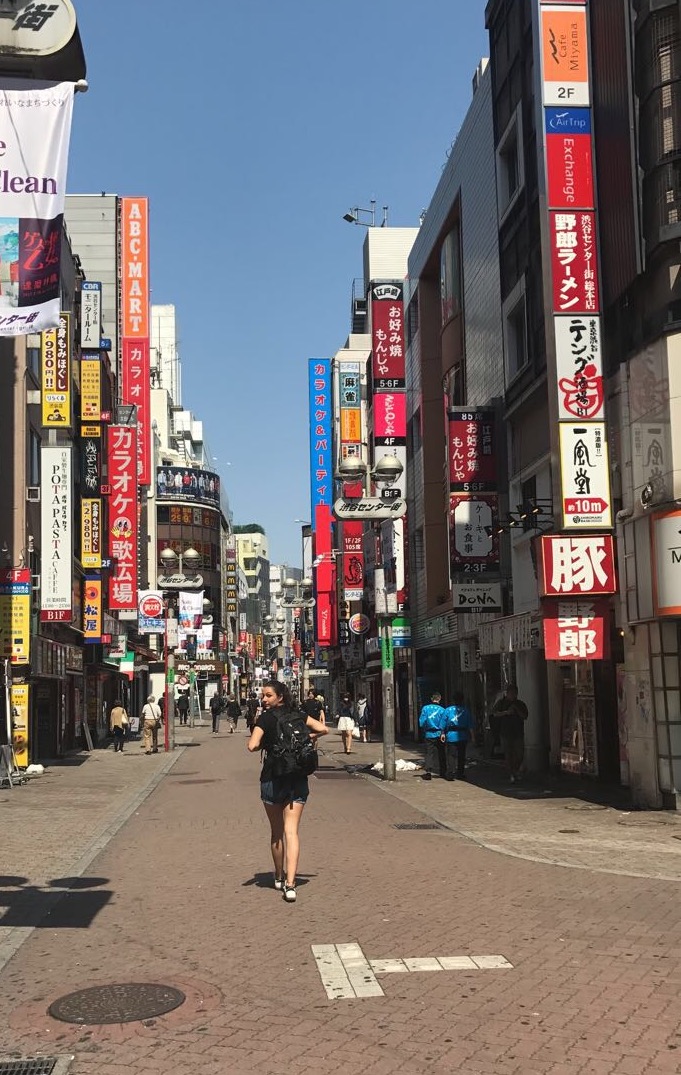
Once in Shibuya we went to Shibuya Crossing, which is rumored to be the busiest intersection in the world. With every light change, it sends people in all directions. Hundreds of people – and at peak times, said to be over a thousand – cross at a single time. It’s a unique sight to see. We walked through it a few times, marveling at it with each step we took.

With only a few more hours left, we quickly stopped at the infamous Harajuku Street and Meiji Shrine in Yoyogikamizonocho. Our last stop before heading to the airport was to the Tokyo National Museum of Art to see the Yayoi Kusama exhibit which was absolutely exceptional!

My Japan experience was brief but I know I’ll be back to see so much more!

Farewell, Cambodia

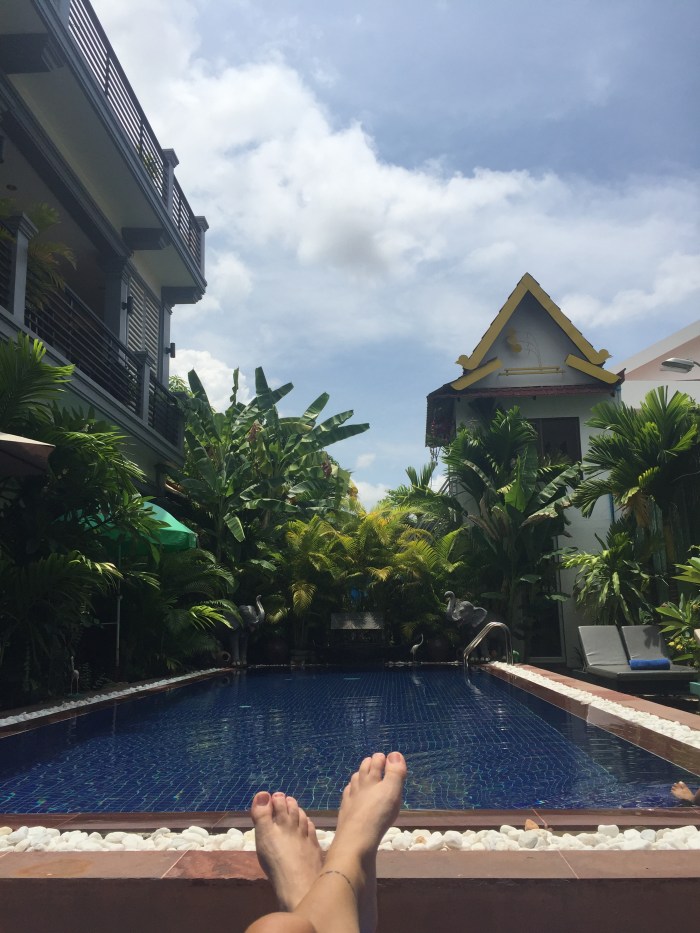
I was here in Cambodia; alive, feeling only the simple pleasures from entering a moment. Sitting by the pool, I reflected on my time spent here. I was in awe of the Angkor Wat Temples. It was spectacular, magnificent, an experience I can’t quite put into words.

The people I met in Cambodia were incredibly sweet and friendly. They opened up their country with such warmth and gratitude. The interactions I had were meaningful and I learned a bit from each encounter.

The food was absolutely delicious. Some of the best I’ve ever eaten; the Khmer curry was a favorite of mine. The flavors, spices, and the presentation of each dish was the combination needed for every savory meal. The best part was that it was always served with a friendly smile.

The duration of my time in Cambodia was spent in Siem Reap. This area was fun and I felt safe. The night life was thriving on Pub Street, luring us in with cheap drinks and inexpensive foods. The Night Market was a place to bring home trinkets and to try street foods. Each night these two places were teeming with people all in search for a good time.

My time spent in Cambodia was terrific, yet meaningful. My experience was positive and I look forward to returning and seeing even more of the country. Although I had an amazing time, I can’t say that everything I saw was always uplifting. I did see homeless children begging on the streets each night and the same group sniffing glue to get high, I saw broken down homes barely providing shelter, and more. But this doesn’t diminish my thoughts of Cambodia because I know that in the U.S., it’s like this in some areas also. No country is perfect but each is unique.

Cambodia has impressed me, it’s now one of my favorite places I have been to!

អរគុណប្រទេសកម្ពុជា

ANGKOR WAT TEMPLE

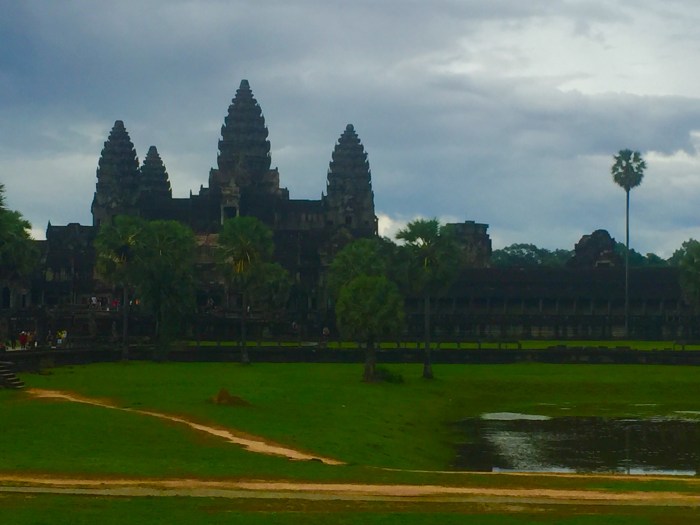
This iconic, sprawling temple complex is as vast as it is beautiful. It is surround by a murky moat, placing the temple in the center. As you walk the bridge over the water, you simply forget about the gift stores, food stands, and tuk tuks encroaching. You can feel yourself suddenly immersed within the temple walls, hearing the echoes of monkey calls.

Inside the temple, the walls are dull but if they could speak, the stories would be lively. Each corner has a different statue where monks continue to pay tribute. They can be seen wandering through with saffron colored robes. Please respect them and their practices and leave them be. Some people are seen crowding around them, as if they are animals in a zoo.

In one of the center rooms, I had the opportunity to kneel before one monk and be blessed by him. It was a surreal experience, one that I am grateful to be able to have done in the Angkor Wat Temple.

A tip when traveling to these temples is plan accordingly. Time and travel are two big factors. It is suggested to hire a tuk tuk driver for the day and go when the crowds have passed; typically after 12pm and before sunset. At sunset, Angkor Wat gets crowded with a surplus of people. Be respectful of the temples; you must cover your shoulders and knees in order to get in. The main reason is that monks still practice and pray at them daily.

I went in the middle of May at a sweltering 108°F. Bring plenty of water and a camera! It was one of the most amazing things I have witnessed!

Bayon, Angkor Wat

The second temple I saw was Bayon. This temple truly left me speechless, I was constantly in awe of what I saw. It was almost unimaginable to think how these temples were constructed and how well they had been preserved over thousands of years. This temple was one of my favorites. It was filled with identical Buddha heads, all in uniform size and shape. I marveled at these features.

The second part of this temple was across the street, which was equally incredible. This massive structure was a maze filled with crumbling ruins. Around every corner was another section that left me astonished. In this temple, we climbed to the top to overlook the land and other temples below. When I was at the top, I envisioned what it would have been like thousands of years ago when this place was flourishing with life. As we were taking in these beautiful views, we ended up getting poured on for about fifteen minutes. The refreshing rain and the surreal monuments was a perfect combination.

After exploring this temple for more than an hour, we were finally enroute to the famous Angkor Wat temple!